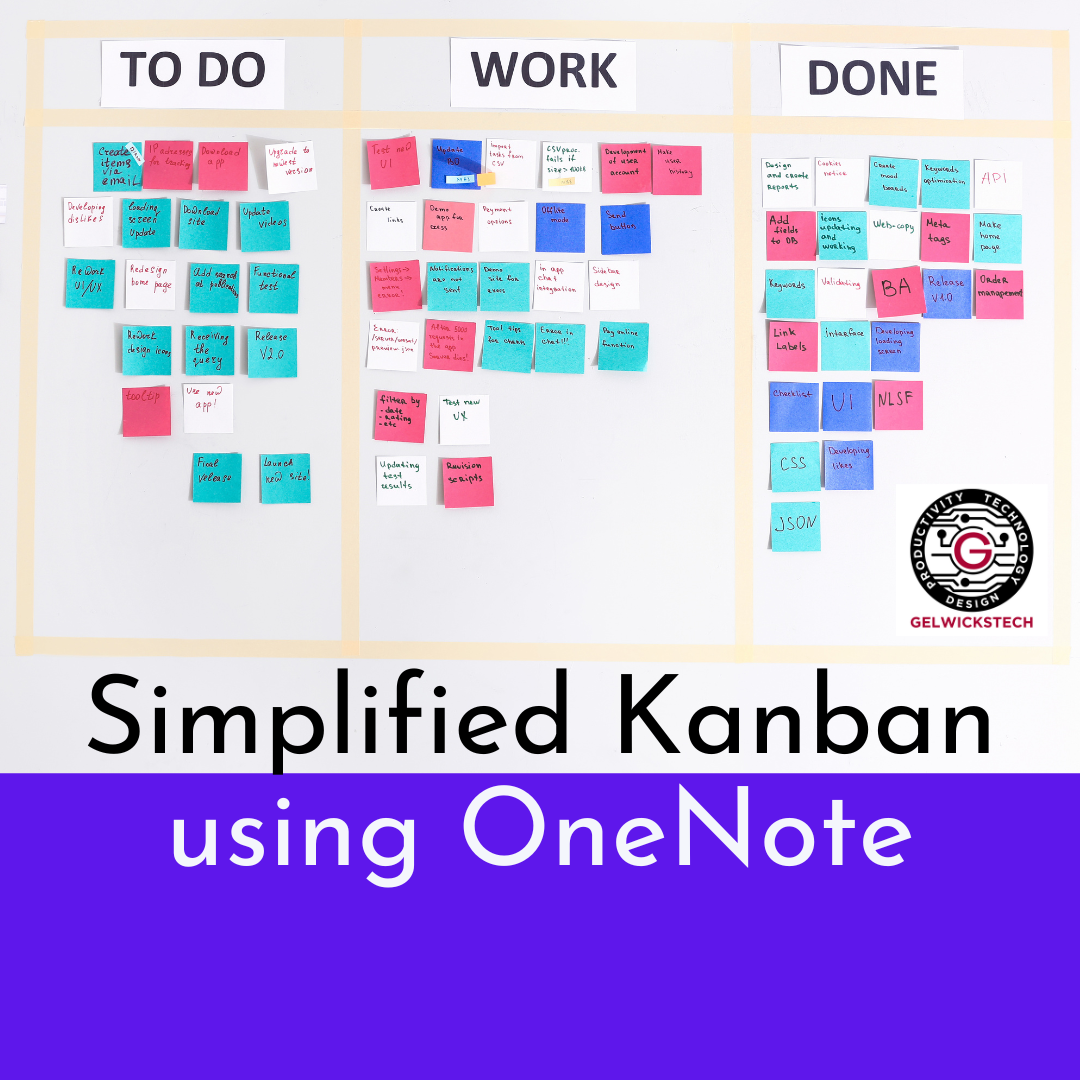
I’d like to take a moment and challenge some traditional wisdom. When working on solving problems within a business many people will claim, “it’s a workflow issue.”. Countless hours are spent documenting “workflows,” developing complex flow charts of data interaction and decision points. Did you know that no “work” actually happens in a workflow?
Dictionary.com defines workflow as “the flow or amount of work to or from an office, department, or employee.” No where in the definition does it mention doing anything. Let’s use an analogy. Picture a workflow as a river. Boats travel along the river from port to port, transporting valuable goods to their destinations. As the boat reaches the port, it moors to the dock and sits there. Until some one at the dock does some “work” and unloads the boat, the goods might as well have never left their port of call. It’s the same with business workflows. You can map the river and ports (workflow) and sail all day long (executing workflows) but until you dock and unload or load, you might as well have stayed home.
Business solutions need to focus on where the work gets done as much if not more than how it flows from point to point. Document approvals are about getting the approval, not moving the document. Task management isn’t about creating task lists, it’s about knowing what to get done and doing it. Idea management isn’t about capturing ideas, it’s about sharing them so the real work can be done.
Next time someone wants to discuss workflow or pulls out a fancy flow chart documenting “workflow” try saying this:
”That’s very nice, but how is the work actually getting done?”
All too often I hear my company’s products confused with “business intellegence” systems. While it is possible to configure those types of solutions with our platform, that would be equal to saying every car Chrysler builds is a pick-up truck. It’s just not the case. A solution platform such as ours is really about one thing…coming up with the common sense solutions and implementing them effectively.
We have all heard about the 80/20 rule when it comes to productivity and I pose the same thing applies to business solutions, just in reverse. Far too often 80% of the effort goes into solving problems that are only 20% of the real issues. The real solutions are the ones that make people more effective at their tasks, providing focus on business needs, and eliminating ambiguity. Solutions that require…common sense.
Think about what would make the most difference in the course of a person’s day. Not the big, “boil the ocean” kinds of differences. The kind that put information where people need it, when they need it, and give them the actions to apply to that information. Let people do what people are good at rather than spending their time “cranking widgets.”
Real problems need real solutions. They don’t need cookie-cutter apps or shrink-wrapped tools. Each problem and it’s corresponding solution is unique in the details. There may be similarities, but there’s always at least a couple things that are special to just that situation. Understand the problems you are solving and then apply the technology to that yardstick. Let someone else try to “boil the ocean.”
No matter what tech comes the pen (or pencil) and paper will always be worth it.
I did an analysis of my family text messaging usage over the past six months to see if the release of iMessenger between our iPhones made any difference. If you’re not familiar with iMessenger, it’s an update to the texting app on the iPhone that recognizes when you are messaging another iMessenger user and sends the message as data rather than as a carrier text message. I think the graph below pretty much speaks for itself.
While this is automatic with iMessenger, I’m sure you could get similar results if you used data based messaging apps such as WhatsApp or Facebook Messenger rather than SMS when possible. It also explains to me why AT&T eliminated the middle tier text messaging payment plan. It’s now $20 for unlimited or pay as you go. Since we have three people on our plan it’s still cheaper for the unlimited, but if it was just me I’d be giving it second thoughts.
Good article with some rationales behind the shift to paperless using Evernote. I follow some of the very same reasons myself.
Another good guide for getting the most out of Evernote, this time for students.
10 great Evernote tips for business
by Mike Vallez, tabtimes.comBecause it’s cross-platform and available on just about every device you can think of, Evernote is perfect for business and work in many different ways. Here are our 10 best use cases. Feel free to add your own tips at the bottom in TabTim…